
You know that feeling when the rain starts pouring, and you’re suddenly worried about your basement flooding? It’s not fun.
Installing a French drain is a classic way to keep your home’s foundation dry and safe, but it’s totally normal to be hesitant about digging a trench so close to the house.
The good news is that you absolutely can do it.
In this post, we’ll explain the risks, benefits, and best practices for installing a French drain near your foundation.
Can You Install A French Drain Next To Foundation?
Yes, you can install a French drain next to a foundation, and in many cases it’s one of the best ways to manage excess groundwater around a home.
A French drain works by collecting water through a perforated pipe surrounded by gravel. Instead of allowing water to build up around the foundation walls, the system redirects it to a safer location away from the house.
Many homeowners install French drains when they notice recurring water issues such as damp basement walls, standing water near the home, or excessive soil saturation after storms.
But you need to make sure the drain is installed correctly.
Digging too close to the footing or failing to provide proper drainage can reduce the system’s effectiveness and potentially affect the surrounding soil.
Also Read: Channel drain vs French drain
Pros Of Installing A French Drain Next To Your Foundation
One of the biggest advantages of a French drain is its ability to control water before it becomes a serious problem.
Some of the main benefits include:
- Reducing water buildup around foundation walls
- Helping prevent basement leaks and moisture issues
- Minimizing soil erosion near the home
- Lowering hydrostatic pressure against the foundation
- Improving overall drainage around the property
Another benefit that homeowners appreciate is peace of mind. Heavy rainstorms can be stressful when water constantly collects around the house.
A properly installed French drain helps move that water away before it has a chance to cause damage.
Over time, protecting your foundation from excessive moisture can also help reduce the likelihood of expensive repairs.
Potential Cons You Need To Be Aware Of
French drains offer plenty of advantages, but they’re not perfect. Like any drainage solution, they come with a few drawbacks that are worth considering:
#1 Installation Can Be Expensive
Installing a French drain next to a foundation often involves excavation, gravel, piping, landscape fabric, and labor.
If the drain needs to be placed deep near the footing, costs can rise quickly.
The final price depends on factors such as the length of the drain, soil conditions, accessibility, and local labor rates.
While many homeowners view it as a worthwhile investment, the upfront cost can be significant compared to simpler drainage improvements.
Also Read: French Drain Alternatives
#2 Poor Installation Can Create Drainage Issues
A French drain is only as good as its installation.
If the pipe lacks proper slope, water may sit inside the system instead of flowing away. If the outlet is poorly positioned, the water may simply relocate the problem to another area of the yard.
Incorrect installation can also lead to clogs, standing water, and ineffective drainage.
That’s why many homeowners choose experienced drainage contractors for foundation-related projects like the French Drain Guys.
#3 Maintenance May Be Required Over Time
Although French drains are generally low maintenance, they are not completely maintenance-free.
Leaves, dirt, roots, and sediment can gradually enter the system. Over time, these materials may reduce water flow or create blockages.
Periodic inspections help ensure the drain continues functioning as intended.
Keeping gutters and downspouts in good condition can also reduce the amount of debris entering nearby drainage systems.
#4 Not Every Foundation Problem Can Be Solved
A French drain is designed to manage water, not fix structural foundation damage.
If a home already has major foundation settlement, large cracks, or other structural concerns, additional repairs may be necessary. Installing a French drain can help control moisture, but it won’t reverse existing structural issues.
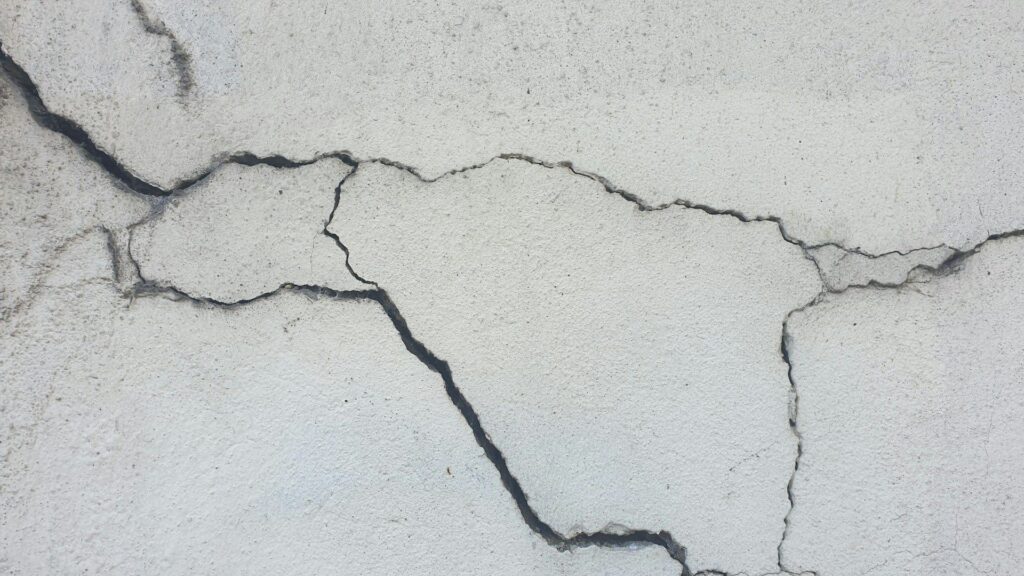
That’s why it’s important to identify the actual cause of the problem before choosing a solution.
Also Read: How To Unclog A French Drain
How Close Should A French Drain Be To The Foundation?
In many situations, exterior French drains are installed directly alongside the foundation or a few feet away from the wall.
The goal is to intercept water before it reaches the foundation.
However, contractors must be careful not to undermine the footing during excavation. Removing too much soil near the foundation can create stability concerns if the work isn’t performed correctly.
For homes with severe groundwater problems, drains are often placed close to footing level. For surface water issues, a shallower drain located slightly farther away may be enough.
Since every property is different, professional evaluation is often helpful when determining the best placement.
French Drain Depth Near A Foundation
A shallow French drain may only be 12 to 24 inches deep and is commonly used to manage surface water. These drains work well when rainwater tends to collect near the home but doesn’t create major groundwater pressure.
Deeper French drains are often installed closer to footing level.
Their purpose is to intercept groundwater before it pushes against foundation walls.
Installing a drain too shallow may limit its effectiveness, while digging unnecessarily deep can increase costs and complexity. Finding the right balance is important for long-term performance.
Also Read: How Deep Should A French Drain Be?
How Much Does A French Drain Next To A Foundation Cost?
The average French drain next to a foundation costs between $2,000 and $10,000 or more, depending on the scope of the project.
Smaller, shallow drainage systems may fall near the lower end of that range. Larger systems that require extensive excavation around the foundation can cost significantly more.
Several factors affect the overall price, including:
- The length of the drain
- Depth of excavation
- Soil conditions
- Accessibility
- Labor costs in your area
Homes with difficult access or challenging soil conditions often require additional work, which can increase installation expenses.
Although the cost can seem high initially, many homeowners view it as a preventative investment. Addressing water issues early can help avoid much more expensive foundation repairs down the road.
Bottom Line
Yes, you can install a French drain next to a foundation, and it’s often an effective way to manage excess water around your home.
When installed correctly, a French drain can reduce moisture problems, protect foundation walls, and improve overall drainage around the property. Placement and depth matter, though, and poor installation can create new issues instead of solving existing ones.
If you’re dealing with standing water, basement moisture, or drainage concerns near your home, a properly designed French drain may be exactly what your property needs.


