
Water has a way of finding the lowest point in your yard, and if you don’t have proper drainage, that can lead to puddles, soggy grass, or even foundation problems.
A French drain is one of the best ways to move that water away, but choosing the right rock is just as important as installing the pipe itself.
The size of the gravel affects how well water flows and how long the drain lasts.
In this guide, we’ll show you what is the best rock size for a French drain, and which materials to avoid.
Does Rock Size Matter In A French Drain?
Yes, it absolutely does.
The gravel around a French drain isn’t there just to fill the trench. It creates open spaces that allow water to flow quickly toward the perforated pipe.
Those spaces are just as important as the pipe itself.
If the rocks are too small, the gaps between them become smaller too. Dirt and sediment can fill those spaces over time, slowing drainage and increasing the chances of clogs.
On the other hand, rocks that are too large may leave excessive empty space around the pipe and make installation more difficult.
Also Read: How Deep Should A French Drain Be?
What Size Rock Is Best For A French Drain?
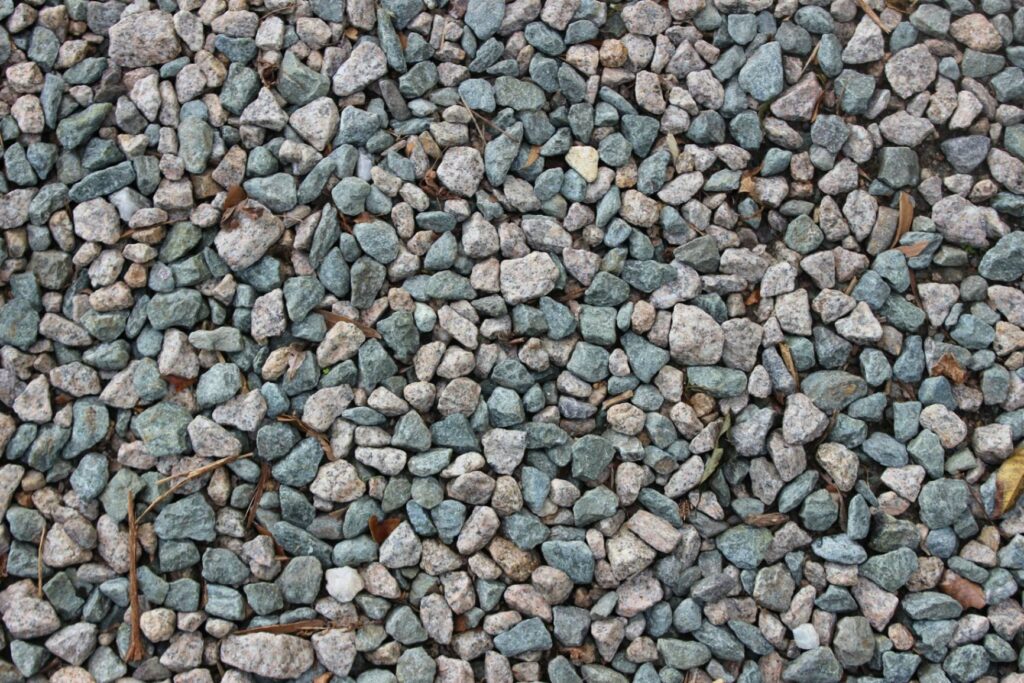
For nearly every residential French drain, 3/4-inch washed crushed stone is the best choice.
This size provides plenty of space for water to move while helping hold the drain pipe securely in place. Since it’s washed, it contains very little dust, sand, or small particles that could eventually reduce drainage.
Many home improvement stores sell this material under names like drainage rock, #57 stone, or washed crushed stone.
Keep in mind that product names vary by region, so check the actual size.
Some of the biggest advantages of 3/4-inch washed stone include:
- Excellent water flow
- Strong support for the drain pipe
- Less chance of clogging
- Easy to find at landscape suppliers and home centers
For the average yard, foundation, retaining wall, or gutter drainage project, this size is hard to beat.
When 1-Inch Gravel Makes Sense
While 3/4-inch gravel handles most jobs perfectly, there are situations where 1-inch gravel is also a solid option.
Larger stone can be useful in areas that receive heavy rainfall or where large amounts of water need to move through the drain quickly. Commercial drainage systems and larger residential properties sometimes use bigger gravel for this reason.
Also Read: Channel Drains Vs French Drains
The downside is that larger rocks can make it slightly harder to level the pipe during installation.
They also require a bit more gravel to properly surround the pipe.
For most homeowners, the difference in performance between 3/4-inch and 1-inch gravel isn’t dramatic. If your local supplier only carries 1-inch washed stone, you can still build an effective French drain.
Can You Use Pea Gravel For A French Drain?
Pea gravel usually isn’t the best choice.
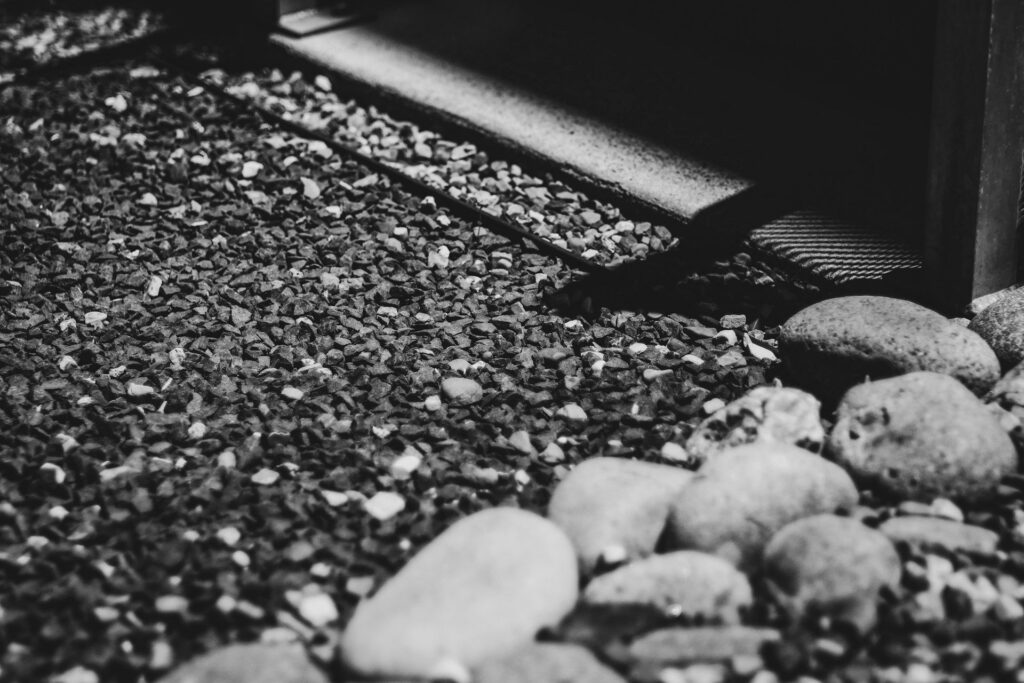
Although it drains better than soil, the individual stones are much smaller than standard drainage gravel. They also have smooth, rounded surfaces that don’t lock together very well.
Because the stones shift easily, the pipe may move over time. Smaller gaps between the rocks can also collect dirt faster than larger crushed stone.
Some homeowners use pea gravel for decorative purposes above the drain or in landscaping projects, but it isn’t ideal as the primary drainage material surrounding the pipe.
If pea gravel is the only option available, the drain may still function, but it probably won’t perform as well or last as long as one built with washed crushed stone.
What Type Of Rock Should You Avoid?
Not every type of gravel works well in a French drain. Some materials actually reduce drainage instead of improving it.
Try to avoid:
- Gravel mixed with stone dust or fines
- Crusher run or crushed limestone screenings
- Decorative rock with very small pieces
- Sand or compactable base material
- Unwashed gravel containing dirt and debris
These materials can pack tightly together, reducing the open spaces that allow water to flow. Some also contain fine particles that gradually wash into the drain and create blockages.
A little extra spent on clean, washed drainage gravel can save a lot of frustration later.
Also Read: Can You Install French Drain Next To Foundation?
How Much Gravel Does A French Drain Need?
The amount of gravel depends on the width, depth, and length of your trench.
In most installations, you’ll start by placing about 2 to 3 inches of gravel in the bottom of the trench. The perforated pipe sits on top of that layer.
After positioning the pipe, you’ll add more gravel until there are at least 6 inches covering the top. The remaining trench can then be finished with landscape fabric, soil, mulch, or decorative stone, depending on the look you’re after.
For a typical residential French drain, gravel often fills most of the trench.
A simple way to estimate the amount needed is to calculate the trench’s length, width, and depth in feet. Multiply those numbers together to find the cubic feet, then divide by 27 to convert the result into cubic yards.
Landscape suppliers usually sell gravel by the cubic yard, so it’s easy to place an order.
Should You Wrap The Gravel In Landscape Fabric?
Yes, using landscape fabric is highly recommended.
The fabric acts as a filter between the surrounding soil and the gravel. Water passes through easily, but dirt stays out. That helps keep the open spaces between the rocks clear and allows the drain to continue working efficiently for years.
Also Read: Dry Well Without Container
A non-woven geotextile fabric is usually the best option because it’s designed specifically for drainage projects. It allows water to flow while blocking soil from entering the system.
Many installers line the trench with the fabric before adding gravel.
Once the pipe and gravel are in place, the fabric folds over the top like a protective wrap before the trench is backfilled.
Skipping this can allow soil to slowly work its way into the gravel, reducing drainage over time.
Bottom Line
If you’re installing a French drain, 3/4-inch washed crushed stone remains the best choice for most projects. It offers excellent drainage, supports the pipe, and helps prevent future clogs.
Larger 1-inch gravel also works well in areas that handle heavier water flow, while pea gravel and materials containing stone dust are generally best left out of the trench.
Pair the right gravel with quality landscape fabric, install the pipe with the proper slope, and your French drain should provide reliable drainage for many years.


